Two instruments leave the workshop today. One listens to the air; the other listens to the fields that hum around every machine. Both began on my own workbench, for my own recordings, long before I thought of making them for anyone else.
Cortiça Microphones
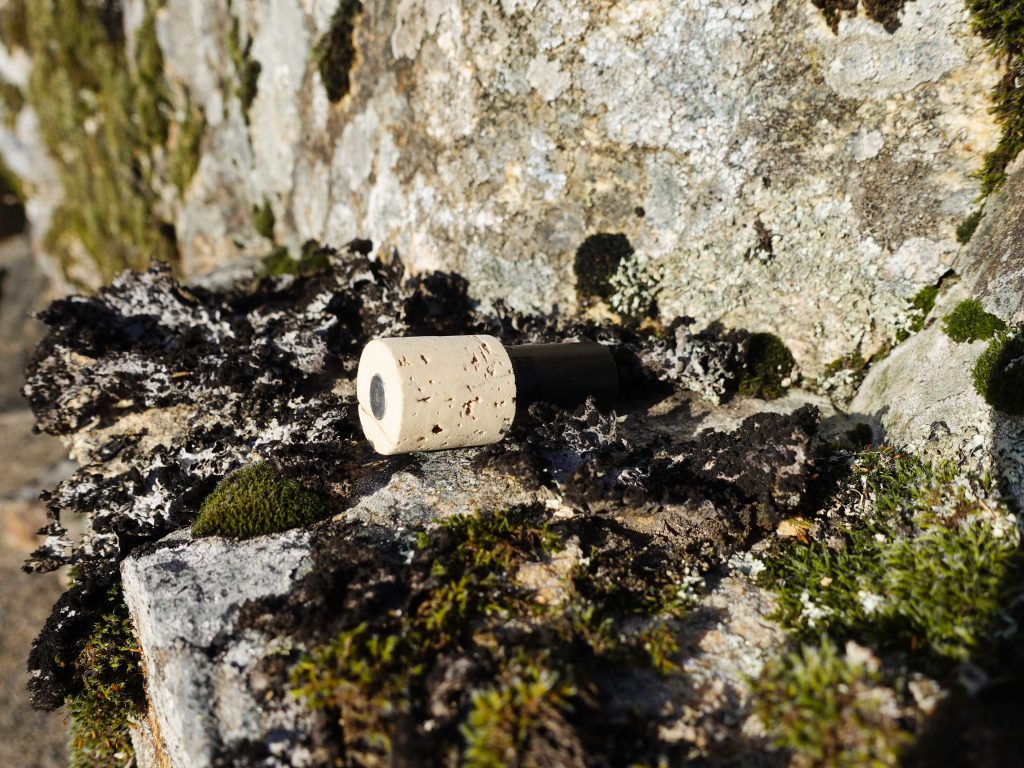
Cortiça is an omnidirectional condenser microphone in a body of Portuguese cork. I wanted something small, quiet and honest: a microphone that hears a place the way you stand in it, without favouring one direction. Its self-noise is 14 dB-A, low enough for a forest at night, and a gentle lift between 3 and 9 kHz gives cymbals, strings, voices and birdsong some air.
The cork is not decoration. It is light, it damps vibration, and it is pleasant to hold on a cold morning in the field. I measure every microphone, and when you order two or more I match them within 0.5 dB at 1 kHz, so a stereo image stays where it belongs.
The Electromagnetic Sound Probe
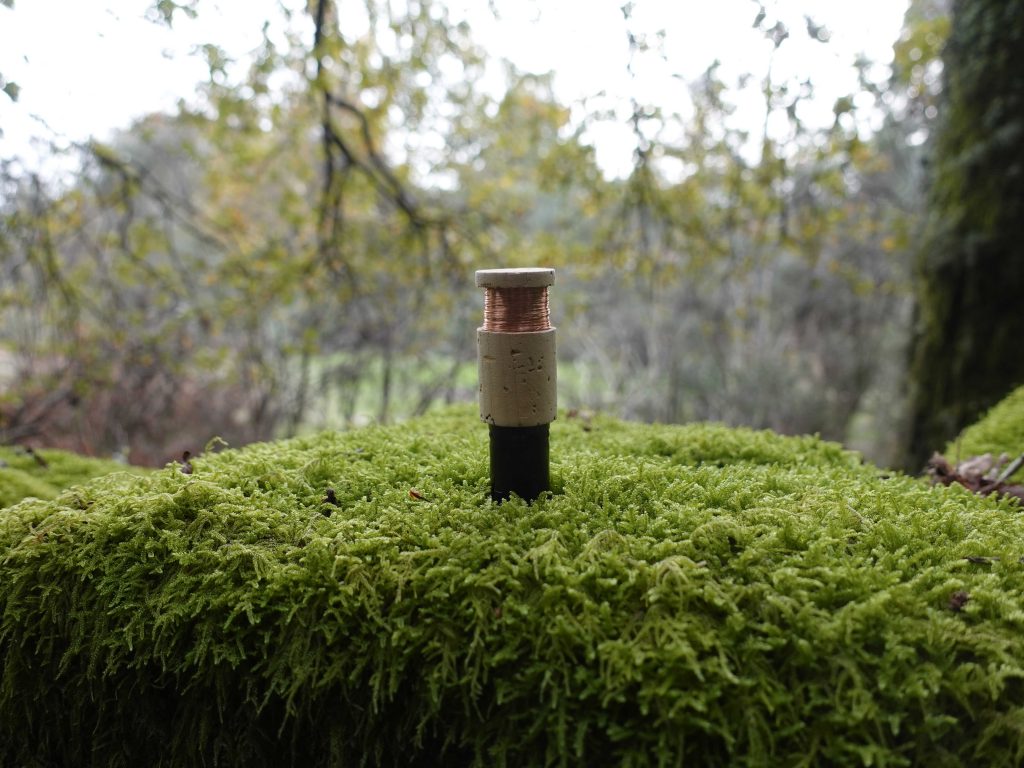
The probe listens to what the ear cannot. Hold it to a phone, a laptop charger or a transformer, and the hidden electrical life of the device becomes sound: drones, clicks, stuttering rhythms, fragile tones. It is passive, needs no phantom power, and is far more sensitive than a telephone pickup coil. All you need is a microphone XLR input, and you are off to the races.
Order a pair and I wind the two coils slightly differently, which opens up a strange and beautiful stereo field. If you would rather have two identical probes, add a note at checkout.
Both are made in small batches in my workshop in Berlin.
Hear them on the Listen page, or find Cortiça and the probe in the shop.